
A Comprehensive Guide to Fence Regulations in Polk County
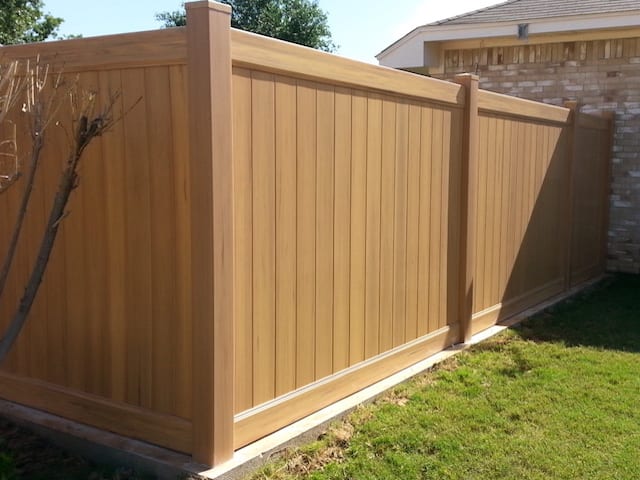
Fences do far more than define boundaries. They provide privacy, enhance security, and contribute to the aesthetic harmony of neighborhoods. Yet in Polk County, installing a fence isn’t as simple as choosing materials and calling a contractor. Every homeowner and business must navigate specific fence regulations Polk County standards that safeguard community integrity and maintain orderly development.
Understanding the Purpose of Fence Regulations
Polk County’s landscape is a tapestry of urban centers, agricultural lands, and tranquil lakeside properties. With such diversity, uniformity and safety must be carefully balanced. Fence regulations Polk County were established to ensure that fences complement rather than conflict with surrounding environments.
These rules govern everything from height and materials to placement and maintenance. They also help prevent disputes between neighbors, preserve sightlines for drivers, and protect underground utilities. Ultimately, regulations are about preserving the delicate coexistence of functionality, beauty, and public welfare.
Navigating Zoning and Property Boundaries
At the heart of Polk County’s regulations lies zoning. Each zoning district residential, agricultural, commercial, or industrial has its own stipulations. Urban homeowners face different rules than rural property owners, and understanding those distinctions prevents costly mistakes.
The Lakeland zoning fence rules are particularly detailed, reflecting the city’s focus on aesthetic cohesion and safety. In residential zones, for instance, fences in front yards are typically required to be lower to maintain clear sightlines, while backyard fences can stand taller to enhance privacy. Corner lots often have stricter visibility requirements to ensure drivers and pedestrians remain safe.
Before beginning any installation, it’s crucial to confirm your property’s exact zoning classification. Polk County’s online zoning maps or the local planning department can provide this information. By aligning your plans with Lakeland zoning fence rules, you avoid unnecessary permit delays and ensure a smooth project timeline.
Permitting Requirements
In most cases, fence installation in Polk County requires a permit. This process ensures that designs adhere to both safety and zoning criteria.
To secure approval, applicants must typically submit:
- A site plan or survey showing property boundaries and proposed fence placement.
- Details on materials, height, and construction type.
- Contractor credentials, if applicable.
- Information about easements, utilities, or drainage systems near the fence line.
Permitting helps maintain consistent quality across neighborhoods and prevents future disputes over encroachment or noncompliance. Once approved, the project can proceed under the oversight of local building authorities.
Fence Height and Placement Guidelines
Among the most significant aspects of fence regulations Polk County are the rules governing height and placement.
Typical standards include:
- Front yards: Fences are often limited to four feet in height to maintain visibility and an open streetscape.
- Side and rear yards: Taller fences up to six feet are usually permissible, offering privacy without overpowering neighboring properties.
- Corner lots: Fences near intersections may need to be set back or reduced in height within visibility triangles to protect traffic safety.
- Agricultural zones: These areas often allow taller or specialized fencing for livestock containment, provided it doesn’t interfere with public rights-of-way.
Ignoring these regulations can lead to penalties or the need to modify or remove noncompliant structures an outcome best avoided through diligent planning.
Materials and Aesthetic Standards
The material composition of a fence contributes to the overall character of a neighborhood. Polk County recognizes this and outlines acceptable materials depending on zoning classification.
Commonly permitted materials include:
- Wood: Classic and versatile, though subject to maintenance requirements.
- Vinyl: A modern, low-maintenance alternative that resists decay and fading.
- Aluminum or wrought iron: Favored for decorative or pool fencing due to durability and elegance.
- Chain-link: Common in commercial or utility areas, but often restricted in front-facing residential zones.
- Composite: Eco-friendly and resilient, blending the natural appeal of wood with the longevity of synthetic materials.
Using non-approved materials such as barbed wire, electrified fencing, or makeshift barriers in restricted zones can trigger enforcement actions. Always verify allowable materials before installation, especially in residential districts under Lakeland zoning fence rules.
Fence Inspection and Compliance
Once a fence is installed, compliance doesn’t end there. Polk County mandates inspections to ensure that construction meets approved specifications. A fence inspection Lakeland is typically required after installation but before the final approval of the project.
During a fence inspection Lakeland, officials verify:
- Proper setback distances from property lines and public rights-of-way.
- Compliance with approved height and material guidelines.
- Structural integrity and stability.
- Adherence to visibility and drainage requirements.
Passing inspection is critical for final approval. Failure to comply may result in citations or required adjustments. Regular maintenance, such as repainting or replacing damaged panels, also helps sustain compliance and property value.
Easements and Utility Considerations
One often-overlooked aspect of fence regulations Polk County involves easements strips of land reserved for utilities, drainage, or public access. Erecting a fence within an easement without permission can obstruct maintenance crews or cause damage to underground infrastructure.
Before setting posts, it’s wise to contact utility location services to mark buried lines. Maintaining clear access to easements not only ensures safety but also prevents fines or mandated fence removal.
Working with Homeowners’ Associations
Many residential developments in Polk County fall under homeowners’ associations (HOAs), which may impose stricter standards than county regulations. HOA guidelines often govern fence color, style, and even placement relative to landscaping.
To avoid conflict, property owners should review HOA covenants alongside county ordinances. Aligning both ensures that your project passes all levels of approval smoothly.
Environmental and Safety Considerations
Beyond aesthetics and property rights, Polk County’s fence rules also reflect environmental mindfulness. In flood-prone areas, open-design fencing may be required to allow water flow. For homes near lakes or wetlands, setbacks might be greater to protect natural habitats and preserve scenic views.
Safety remains another central concern. Fences enclosing pools, for instance, must adhere to specific height and gate-locking standards to prevent accidental drownings. Compliance with these measures isn’t just a legal formality it’s a moral responsibility that safeguards lives.
The Role of Professionals
While do-it-yourself fencing projects can be appealing, working with a licensed contractor familiar with fence regulations Polk County often saves time and money. Experienced installers understand local requirements, manage the permitting process, and ensure precise alignment with property boundaries. They also coordinate directly with inspectors during the fence inspection Lakeland phase, streamlining the approval process.
Professionals can also recommend materials suited to Florida’s climate resistant to humidity, termites, and ultraviolet exposure ensuring that the fence stands the test of time both structurally and aesthetically.
Final Thoughts
Polk County’s charm lies in its careful blend of tradition and progress. Every fence contributes to that identity each one a subtle marker of pride, craftsmanship, and community. Adhering to fence regulations Polk County, respecting Lakeland zoning fence rules, and passing fence inspection Lakeland not only protect your investment but also uphold the beauty and order of the region.
With thoughtful design, proper permitting, and attention to local guidelines, your fence can be more than a boundary. It can be a lasting testament to harmony, security, and the timeless appeal of a well-regulated landscape.


